Fire Safety and Routine Maintenance: The Key to Protecting Your Property and Loved Ones
When it comes to the safety of your property, business, and loved ones, fire safety is one of the most critical considerations. Fire-related accidents can happen at any time, and having a reliable and well-maintained fire fighting system in place is essential for reducing risks. At Nexa Aircon Pvt. Ltd., we understand how important it is to ensure your fire safety systems are fully functional and ready to protect you when needed the most.
In this blog, we’ll explore the importance of fire safety systems and why routine maintenance is key to preventing fire hazards.
Why Fire Safety is Crucial
Fire accidents can result in property damage, injury, and loss of life, making fire safety a top priority for any property owner. Whether you own a home, a business, or an industrial facility, having the right fire fighting equipment in place can significantly reduce the impact of a fire emergency. Here’s why fire safety matters:
- Prevention is Better than Cure: The best way to fight fire is to prevent it from starting in the first place. Regular checks and maintenance of fire safety systems help to identify potential fire risks early, preventing disastrous events.
- Protect Lives and Property: Fire safety systems such as sprinklers, alarms, and fire extinguishers are designed to protect both lives and property. A properly functioning fire fighting system ensures that help is on the way when you need it the most, minimizing harm.
- Compliance with Legal Standards: Fire safety is not only a moral responsibility but also a legal one. Maintaining fire fighting systems ensures compliance with fire safety codes and regulations, avoiding fines and legal complications.
What Makes Up a Fire Safety System?
A complete fire safety system includes various equipment designed to detect and suppress fires at the earliest stages. These systems include:
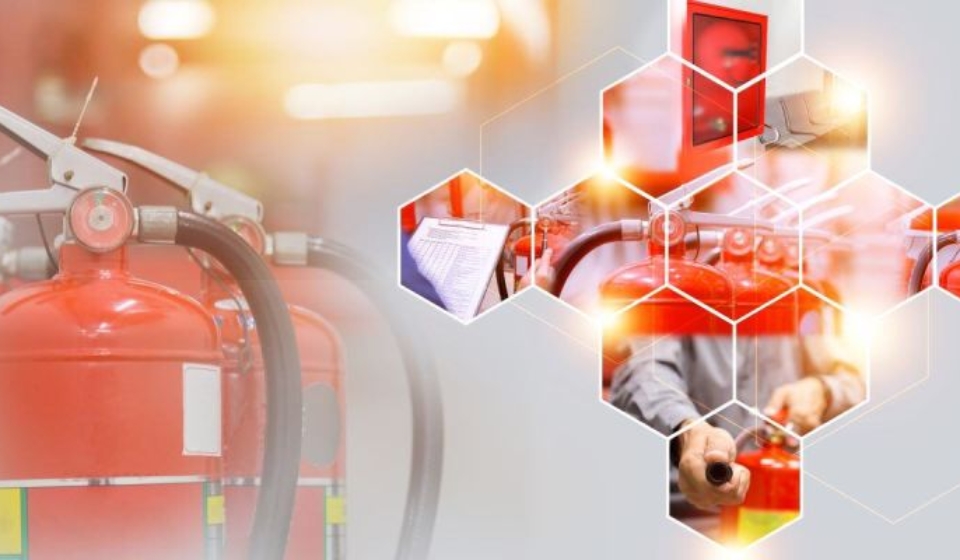
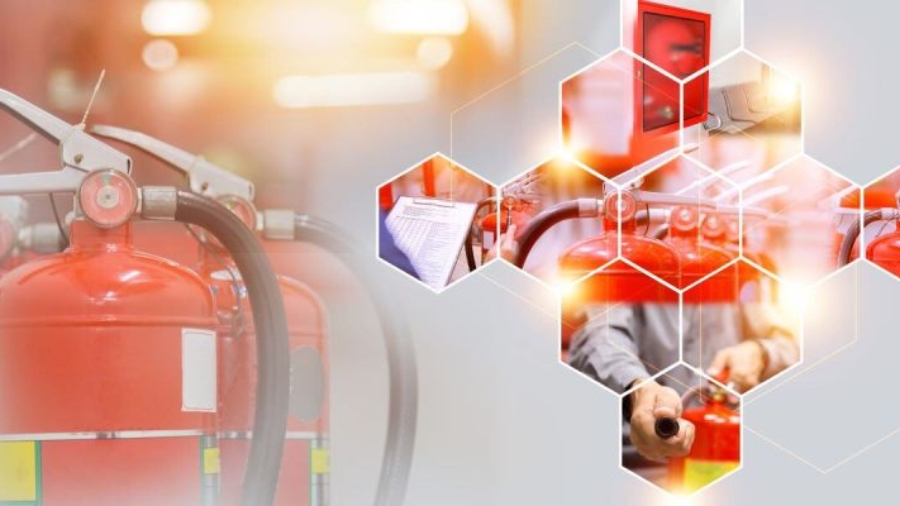
- Fire Extinguishers: Available in different types (water, CO2, foam, powder), fire extinguishers are essential for quickly putting out small fires before they spread.
- Fire Sprinkler Systems: Automatic fire sprinklers are crucial for detecting heat and activating water flow to suppress fires, especially in large buildings.
- Fire Alarms and Smoke Detectors: These systems provide early warning by detecting smoke or heat, giving occupants the time to evacuate safely.
- Fire Hose Reels and Hydrants: These systems allow trained personnel to fight fires effectively by providing a ready supply of water.
- Emergency Lighting: In case of a fire or power failure, emergency lights help guide people safely to exits.
Routine Maintenance: Why It’s Essential for Fire Safety
While installing a fire safety system is important, it’s just as vital to ensure that your systems remain in top condition. Routine maintenance is the key to ensuring your fire fighting systems are always ready when you need them.
Here’s why fire safety maintenance is essential:
1. Ensure Functionality and Reliability
Fire fighting systems must be ready to perform at a moment’s notice. Over time, components such as fire extinguishers, sprinkler heads, and alarm systems can deteriorate or become damaged. Regular servicing ensures that all parts of the system are functioning properly.
2. Compliance with Fire Safety Standards
Most fire safety systems must meet local safety regulations. Routine maintenance ensures that your fire safety equipment is compliant with legal standards, helping you avoid potential fines or penalties. This is especially critical for businesses and industrial properties.
3. Early Detection of Potential Problems
Regular maintenance helps to identify minor issues before they turn into major problems. For instance, low pressure in a fire sprinkler system or a faulty fire alarm can go unnoticed until they’re needed in an emergency. Routine checks can catch these issues early and prevent failure during a fire event.
4. Extend the Lifespan of Fire Safety Equipment
Just like any other mechanical system, fire safety equipment needs care to remain effective. Regular inspections and servicing help extend the lifespan of equipment, saving you money on premature replacements.
5. Peace of Mind
Knowing that your fire fighting systems are well-maintained gives you peace of mind, knowing that your property, employees, and loved ones are protected in the event of a fire emergency.
What Does Routine Fire Safety Maintenance Involve?
Routine maintenance involves a thorough check of all components of your fire fighting system. Here’s a general overview of what to expect:
- Inspection of Fire Extinguishers: Ensuring they are charged, accessible, and free from damage.
- Sprinkler System Checks: Testing sprinkler heads, valves, and pipes for blockages, leaks, or signs of damage.
- Fire Alarm Testing: Verifying that fire alarms and smoke detectors are functional, with battery replacements and system checks if necessary.
- Hydrant and Hose Reel Inspection: Checking for proper water pressure, accessibility, and functionality.
- Emergency Lighting and Signage Testing: Ensuring emergency lights and exit signs work properly during power outages.
How Often Should You Perform Fire Safety Maintenance?
The frequency of fire safety maintenance depends on the type of system and its usage. However, the general recommendation is:
- Monthly Inspections: Check the pressure gauges of fire extinguishers and ensure they are easily accessible.
- Quarterly Inspections: Test fire alarms, smoke detectors, and emergency lighting.
- Annual Inspections: Conduct a full review of the entire system, including fire sprinklers, hydrants, and hoses.
Why Choose Nexa Aircon Pvt. Ltd. for Fire Safety Maintenance?
At Nexa Aircon Pvt. Ltd., we offer expert fire safety services, including installation, routine maintenance, and repairs. Our experienced team provides comprehensive fire safety checks and ensures that your systems comply with all safety standards.
Here’s why our customers trust us with their fire safety needs:
- Expert Technicians: Our team is highly trained and experienced in all aspects of fire safety systems.
- Comprehensive Service: From installation to routine maintenance and emergency repairs, we provide complete fire safety solutions.
- Reliable and Timely: We understand the urgency of fire safety, so we offer quick and reliable service to keep your systems in top condition.
- Compliance with Standards: We ensure that your fire fighting systems comply with all local and national fire safety codes.
Contact Us Today for Fire Safety Maintenance
Don’t wait for an emergency to check the status of your fire safety systems. Contact Nexa Aircon Pvt. Ltd. for expert fire safety maintenance and ensure that your property is always protected.